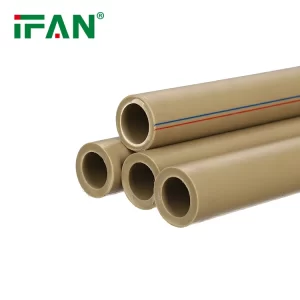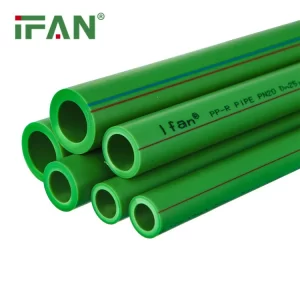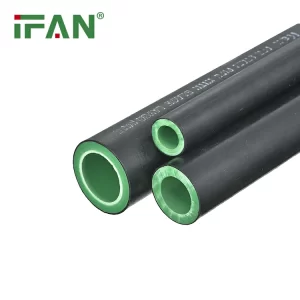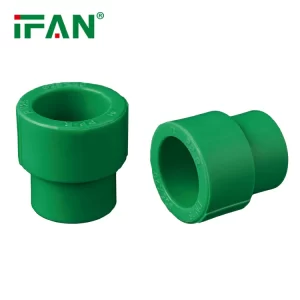
How to Identify Authentic Fiber Reinforced PPR Pipe Before Installation. Fiber reinforced PPR pipes combine the heat resistance of polypropylene with a middle layer of glass fiber, delivering superior strength and reduced thermal expansion for hot water and heating systems. Spotting genuine fiber reinforced PPR pipe prevents costly failures from counterfeit or low-grade products. This article reveals proven methods to verify authenticity before you install, covering visual checks, physical tests, and documentation. It includes an FAQ section, buying guide, and installation tips to ensure you purchase only certified, high-performance pipes. Whether you’re a contractor or homeowner, this guide equips you with the knowledge to protect your plumbing investment.
FAQ: Common Questions About Fiber Reinforced PPR Pipes
What makes fiber reinforced PPR different from regular PTHREE pipes?
The middle glass fiber layer reduces linear expansion by 75%, increases pressure resistance, and allows thinner walls while maintaining strength.
How can I spot fake fiber reinforced PPR on site?
Authentic pipes show a distinct three-layer cross-section with a visible white fiber mesh. Fakes often use printed lines or no fiber at all.
Do all fiber reinforced PPR pipes have the same quality?
No. Premium brands use 100% virgin PPR and continuous glass fiber. Cheap versions mix recycled material or use chopped fibers that weaken performance.
Can I trust color alone to identify genuine fiber PPR?
Never. Color varies by brand (green, white, grey). Always verify the fiber layer and certifications instead of relying on appearance.
What happens if I install counterfeit fiber PPR?
Fake pipes expand excessively, crack under pressure, or fail fusion joints, leading to leaks, water damage, and expensive repairs within 1-3 years.
Basic Definition and Features of Fiber Reinforced PPR Pipes
Fiber reinforced PPR pipe (also called PPR-FB-PPR) features three distinct layers: an inner and outer layer of polypropylene random copolymer (PPR) sandwiching a middle layer of glass fiber reinforced PPR. This composite structure delivers exceptional performance.
Key advantages include:
- 75% less thermal expansion: The fiber layer restricts pipe lengthening when hot water flows, preventing sagging or stress on fittings.
- Higher pressure rating: PN25 fiber pipes handle 25 bar at 20°C, allowing use in high-rise buildings or boiler systems.
- Thinner walls, same strength: Manufacturers reduce wall thickness by 15-20% while maintaining pressure capacity, saving material costs.
- Perfect fusion compatibility: The outer PPR layer fuses seamlessly with standard PPR fittings using heat welding.
These features make fiber reinforced PPR the top choice for modern hot water and heating installations.
Common Uses and Application Industries
Fiber reinforced PPR pipes excel in systems requiring minimal expansion and maximum reliability. Primary applications include:
- Residential hot water: Homeowners install fiber PPR for boiler-to-fixture runs, eliminating expansion loops and noise.
- Radiant floor heating: The low expansion prevents concrete cracking and ensures even heat distribution in large slabs.
- High-rise buildings: Developers use fiber PPR in riser systems to handle high pressure and temperature without compensators.
- Solar water systems: The fiber layer withstands thermal shock from solar collectors cycling between 20°C and 90°C.
- District heating: Municipal systems choose fiber PPR for underground hot water distribution with minimal maintenance.
Their stability and strength make them ideal for demanding thermal applications.
Buying Guide: How to Identify Genuine Fiber Reinforced PPR Pipe
Follow this checklist to verify authenticity before purchase:
- Check the cross-section: Cut a sample (or ask supplier). You must see three layers: PPR – white fiber mesh – PPR. The fiber appears as a distinct, continuous mesh, not printed lines.
- Verify printing: Authentic pipes display “PPR-FB-PPR”, “Fiber”, or “Glass Fiber” plus PN rating, diameter, and brand name printed every meter.
- Weigh the pipe: Fiber PPR is 10-15% lighter than standard PPR of same PN rating due to thinner walls. Compare against brand specifications.
- Request certificates: Demand ISO 15874, DIN 8077/78, and SKZ or DVGW test reports. Reputable brands provide batch-specific documents.
- Test fusion quality: Genuine fiber PPR welds smoothly with standard PPR fittings. Counterfeit pipes may bubble or separate during heating.
- Buy from authorized dealers: Avoid marketplace sellers. Purchase directly from manufacturers or certified distributors with traceability.
Never compromise on documentation—certificates prove material purity and fiber integrity.
Installation Tips for Fiber Reinforced PPR Pipes
Proper installation maximizes the benefits of authentic fiber PPR. Follow these pro tips:
- Use correct fusion temperature: Heat at 260°C for 5-7 seconds (20mm pipe). The fiber layer requires precise timing to avoid burning.
- Cut with PPR scissors: Avoid saws that fray the fiber mesh. Clean cuts ensure perfect socket insertion.
- Support every 80 cm: The lighter pipe still needs clips to prevent vibration and maintain alignment.
- Allow natural expansion: Despite low expansion, include 10mm gaps at fixed points for 50-meter straight runs.
- Pressure test at 1.5x working pressure: Test for 2 hours after 24-hour cooling to confirm joint integrity.
- Label all pipes: Mark “HOT” and flow direction to prevent installation errors in complex systems.
Always use the same brand for pipes and fittings—mixing causes 90% of fusion failures.
Material Comparison: Fiber Reinforced PPR vs Standard PPR vs Metal Pipes
Performance varies significantly. Here’s a detailed breakdown:
| Feature | Fiber Reinforced PPR | Standard PPR | Copper Pipes |
|---|---|---|---|
| Thermal Expansion | 0.035 mm/mK | 0.15 mm/mK | 0.017 mm/mK |
| Wall Thickness (20mm PN20) | 2.8 mm | 3.4 mm | 0.9 mm |
| Weight per meter (20mm) | 0.18 kg | 0.22 kg | 0.48 kg |
| Pressure Rating | PN25 at same thickness | PN20 | Unlimited |
| Installation Cost | Moderate (fusion) | Moderate (fusion) | High (soldering) |
| Corrosion Resistance | Perfect | Perfect | Good (pitting risk) |
| Noise Reduction | Excellent | Good | Poor (water hammer) |
| Best For | Hot water, heating | General plumbing | Premium, visible runs |
Fiber PPR offers the best balance of expansion control, weight, and cost for thermal systems.
Conclusion
Identifying authentic fiber reinforced PPR pipe protects your installation from premature failure and ensures decades of reliable performance. Verify the three-layer structure, demand certified documentation, and purchase from trusted sources. By following these authentication steps and proper installation practices, you guarantee a robust, low-maintenance plumbing system. For guaranteed authentic fiber reinforced PPR pipes with full certification, visit IFAN at 4525 NW 72nd Ave, Miami, FL 33166, United States, to explore premium, factory-direct pipes engineered for lifetime durability.
Connect
IFAN is a Chinese manufacturer of plastic pipes, fittings, and valves with 30 years of experience. If you are interested in IFAN copper fittings, copper valves, plastic pipes, and fittings, please contact us. IFAN offers a variety of standard pipes to meet your specific needs. Click below to learn more about IFAN’s wide range of affordable and cost-effective valve products and piping system-related products.
We will reply to your email or fax within 24 hours. You can call us at any time if there is any question about our production.
For more information,pls visit our webside https://waterpipefitting.com/
Pls Mailto: [email protected]
Whatsapp: +86 13325756195