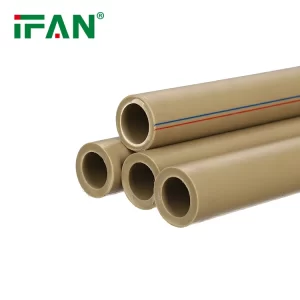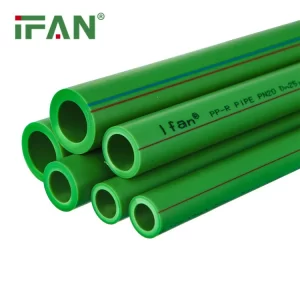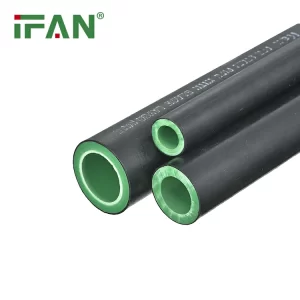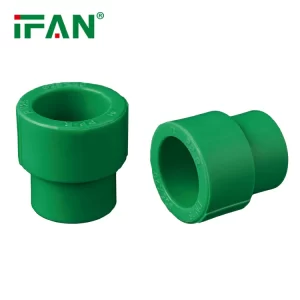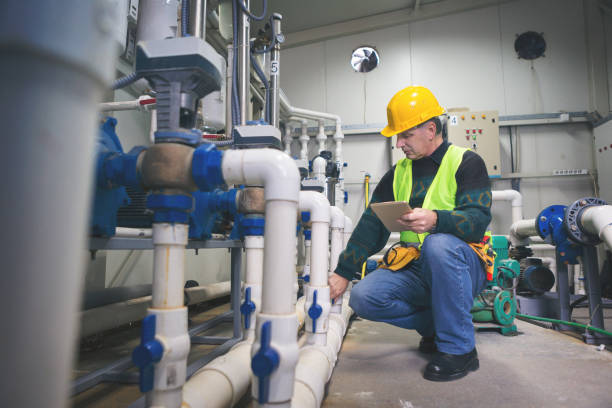
High temperature PPR pipe for industrial chemical transport delivers a lightweight, corrosion-free solution that handles aggressive fluids at elevated temperatures without degrading. This guide walks you through everything you need to know—from material science and real-world applications to expert selection criteria and installation best practices. You’ll discover how high temperature PPR pipe for industrial chemical transport outperforms traditional metal systems while cutting maintenance costs and extending service life. Whether you manage a chemical plant, food processing facility, or pharmaceutical line, these insights help you choose pipes that stay strong under pressure and heat.
Common Questions About High Temperature PPR Pipe (FAQ)
Engineers and plant managers frequently ask these five questions before specifying high temperature PPR pipe for industrial chemical transport.
- What temperature range can high temperature PPR handle?
Specially formulated PPR-CT (crystalline) grades operate continuously at 110°C and withstand short-term peaks up to 120°C, far beyond standard PPR’s 95°C limit. - Will chemicals attack the pipe wall?
High temperature PPR resists over 200 industrial chemicals—including acids up to 50% concentration, alkalis, and organic solvents—thanks to its non-polar molecular structure. - Do I need metal reinforcement?
No. The pipe’s thick walls (SDR 7.4 or lower) and high stiffness modulus provide ample pressure rating without liners or wraps. - How does expansion compare to metal pipes?
PPR expands 0.15 mm/m·K—about 10 times more than steel—but proper loop design and fixed-point anchoring eliminate stress. - Is certification required for chemical service?
Yes. Look for ISO 15874 Class 5, DIN 8077/8078, and chemical compatibility reports from the manufacturer.
What Is a High Temperature PPR Pipe System? Definition and Features
High temperature PPR pipe for industrial chemical transport uses Polypropylene Random Copolymer with nucleating agents and beta-crystal modifiers (PPR-CT). These additives create a denser crystalline structure that raises the softening point while maintaining flexibility. Key features include:
- Elevated Heat Resistance: Continuous service at 110°C with pressure derating curves published up to 120°C.
- Chemical Inertness: Zero corrosion, scaling, or pitting—even with aggressive media like sulfuric acid or sodium hydroxide.
- Smooth Bore: 0.1 μm roughness prevents buildup and maintains laminar flow for pump efficiency.
- Fusion Integrity: Socket or electrofusion joints reach 100% of pipe strength, eliminating leak paths.
- Low Weight: A 6-meter length of 63 mm pipe weighs only 5.8 kg—reducing structural support costs.
These properties make high temperature PPR the modern replacement for stainless steel and lined metal pipes.
Common Uses and Industry Applications
High temperature PPR pipe for industrial chemical transport serves demanding sectors where heat and chemistry converge:
- Chemical Processing: Transfer lines for hot acids, caustic soda, and solvent recovery loops.
- Food & Beverage: CIP (clean-in-place) circuits at 85–110°C and starch slurry lines.
- Pharmaceutical: Pure steam condensate return and high-purity chemical feed systems.
- Pulp & Paper: Black liquor lines and chlorine dioxide mixing stations.
- Geothermal Plants: Brine circulation at 100°C+ without corrosion or scaling.
Each application benefits from decades of leak-free service and minimal downtime.
How to Choose the Right High Temperature PPR Pipe: Buying Guide
Specifying the correct high temperature PPR pipe for industrial chemical transport prevents failures. Focus on these factors:
- Material Grade: Require PPR-CT or PPR-100-HT with beta-crystal content greater than 70%.
- Pressure Class: Select SDR 7.4 (PN25) for 110°C service or SDR 9 (PN20) for lower temperatures.
- Chemical Compatibility: Obtain a signed compatibility chart for every fluid—never assume.
- Color Coding: Gray or dark green indicates industrial-grade PPR-CT; avoid light colors meant for potable water.
- Diameter Range: Choose 20 mm to 400 mm based on flow velocity (0.5–2.0 m/s) and pressure drop calculations.
- Certification: Verify ISO 15874 Class 5, EN 15085 for welding, and FDA compliance if food contact occurs.
- Supplier Support: Partner with manufacturers who provide fusion training and on-site technical service.
Checking these details ensures your system runs safely at peak conditions.
Installation Tips for High Temperature PPR Pipes
Proper installation maximizes the performance of high temperature PPR pipe for industrial chemical transport. Follow these steps:
- Design Expansion Loops: Add U-bends or lyre loops every 20–30 meters to absorb thermal growth.
- Anchor Securely: Install fixed points at changes of direction and every 10 meters on straight runs.
- Cut Precisely: Use battery-powered PPR cutters for square ends—never flame-cut.
- Fusion Parameters: Heat 63 mm pipe for 12 seconds at 260°C, join for 6 seconds, cool for 8 minutes—follow the exact chart.
- Support Correctly: Use heavy-duty plastic or stainless clamps with rubber liners every 1.2 meters.
- Pressure Test: Hydrotest at 1.5 times operating pressure for 2 hours, then inspect every joint.
- Flush Thoroughly: Circulate clean water or neutralizer for 24 hours before introducing process chemicals.
- Label Clearly: Tag lines with media, temperature, and date of installation for traceability.
These practices guarantee a robust, leak-free network.
PPR-CT vs. Other Piping Materials: A Comparison
See how high temperature PPR pipe for industrial chemical transport measures up:
| Feature | High Temp PPR-CT | Stainless Steel 316 | PVDF | Lined Carbon Steel |
|---|---|---|---|---|
| Max Temperature | 110°C continuous, 120°C peak | 150°C | 140°C | 120°C (liner limit) |
| Chemical Resistance | Excellent (acids, bases, solvents) | Good (pitting risk) | Outstanding | Good (liner failure risk) |
| Corrosion | None | Pitting in chlorides | None | External rust |
| Weight (63 mm, 6 m) | 5.8 kg | 28 kg | 9 kg | 45 kg |
| Joint Method | Heat fusion | TIG welding | Heat fusion | Flanged or welded |
| Installation Time | 5 minutes per joint | 30 minutes per weld | 8 minutes per joint | 60 minutes per flange |
| Cost per Meter (63 mm) | $8–$12 | $45–$60 | $35–$50 | $25–$40 |
| Lifespan (Chemical Service) | 25–50 years | 15–25 years | 20–40 years | 10–20 years |
High temperature PPR-CT wins on cost, speed, and corrosion-free performance.
Conclusion
High temperature PPR pipe for industrial chemical transport combines extreme heat tolerance with universal chemical resistance, delivering a system that outlasts metal alternatives while slashing installation and maintenance budgets. From caustic transfer lines to geothermal brine loops, PPR-CT keeps fluids flowing safely at 110°C and beyond. By selecting certified PPR-CT, designing for expansion, and executing flawless fusion joints, you build infrastructure that stands the test of time. For factory-direct high temperature PPR-CT pipes and fittings, visit IFAN’s U.S. distribution center at 4525 NW 72nd Ave, Miami, FL 33166, United States—your partner for industrial-grade plumbing solutions.
Connect
IFAN is a Chinese manufacturer of plastic pipes, fittings, and valves with 30 years of experience. If you’re interested in IFAN copper fittings, copper valves, plastic pipes, and fittings, please contact us. IFAN offers a variety of standard pipes to meet your specific needs. Learn more about IFAN’s wide range of affordable and cost-effective valve products and piping system-related products.
We will reply to your email or fax within 24 hours. You can call us at any time if there is any question about our production.
For more information,pls visit our webside https://waterpipefitting.com/
Pls Mailto: [email protected]
Whatsapp: +86 13325756195