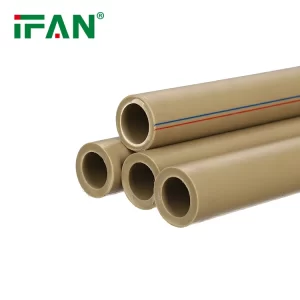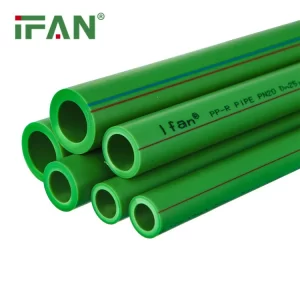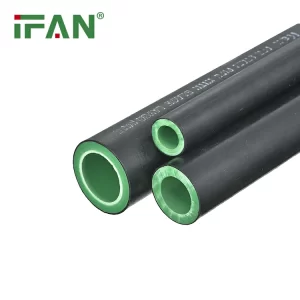
PPR pipes excel in underground installations thanks to their corrosion resistance and thermal stability, but cold climates raise questions about freeze damage and long-term durability. How long does PPR pipe last underground in cold climate conditions? Real-world data and lab tests show 50+ years with proper installation and insulation. This article explores PPR’s performance below frost lines, freeze-thaw resistance, and lifespan factors. It includes an FAQ section, buying guide, and installation tips to ensure decades of leak-free service. Whether you plan water supply lines in Alaska or irrigation in Canada, this report delivers the facts you need.
FAQ: Common Questions About PPR Pipe Underground in Cold Climates
Does PPR pipe crack in freezing temperatures?
PPR withstands -20°C without damage when empty. Filled pipes need insulation or burial below frost line to prevent ice expansion.
How deep should I bury PPR pipe in cold climates?
Bury 18–36 inches below local frost depth (typically 4–6 feet in northern U.S./Canada). Deeper burial adds safety margin.
Will PPR degrade faster underground?
No. PPR resists UV, chemicals, and soil bacteria. Underground burial actually extends lifespan by shielding from sunlight.
Can PPR handle freeze-thaw cycles?
Yes, with proper slope and drainage. PPR’s flexibility absorbs minor expansion better than rigid metals.
What shortens PPR pipe life underground?
Poor fusion joints, rodent damage, or installation above frost line without insulation cause premature failure.
Basic Definition and Features of PPR Pipe Systems
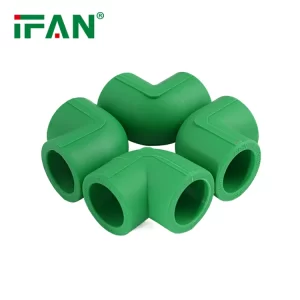
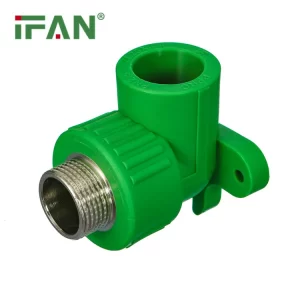
PPR (Polypropylene Random Copolymer) pipes transport water through heat-fused joints that create seamless, leak-proof systems. Key features include:
- Freeze resistance: PPR expands slightly under ice pressure without cracking.
- Corrosion immunity: No rust or scaling in aggressive soils.
- Low thermal conductivity: 0.22 W/m·K minimizes heat loss in cold ground.
- 50-year warranty: Manufacturers guarantee service life under rated conditions.
These properties make PPR ideal for buried applications.
Common Uses and Application Industries
PPR serves diverse underground needs:
- Municipal water supply: Main lines from wells to homes in rural cold regions.
- Geothermal heating: Ground loops in heat pump systems.
- Snow-melt systems: Hydronic tubing under driveways and sidewalks.
- Irrigation mains: Frost-protected supply to golf courses and farms.
- Mining camps: Remote water delivery in sub-arctic conditions.
Its reliability spans residential, commercial, and industrial projects.
Buying Guide: Selecting PPR for Cold Climate Burial
Choose PPR wisely for underground use:
- Pressure rating: PN16 minimum, PN20 for high flow or deep burial.
- Material grade: 100% virgin PPR Type 3, never recycled content.
- Color: Green for cold water, white/gray for identification in trenches.
- UV resistance: Not needed underground, but useful during storage.
- Certifications: NSF/ANSI 61, CSA B137.11, ISO 15874 for cold regions.
- Insulation kits: Pre-insulated PPR or foam sleeves for shallow burial.
Request hydrostatic test reports at 95°C for 1,000 hours.
Installation Tips for PPR Underground in Cold Climates
Proper installation maximizes lifespan:
- Dig below frost line: Add 6-inch safety margin.
- Bed with sand: 4–6 inches of fine sand prevents rock damage.
- Slope for drainage: 1/4 inch per foot allows water to drain.
- Insulate shallow sections: Use 1-inch foam sleeves above frost line.
- Fusion quality: Weld at 260°C, hold 10 seconds for perfect joints.
- Marker tape: Place warning tape 12 inches above pipe.
- Pressure test: 1.5x working pressure for 2 hours before backfill.
Never install PPR in frozen soil.
Material Comparison: PPR Pipe Systems vs Other Pipe Systems
PPR outperforms alternatives underground:
| Feature | PPR Pipe | HDPE Pipe | Copper | PVC |
|---|---|---|---|---|
| Freeze Resistance | Good (flexible) | Excellent (expands) | Poor (bursts) | Poor (brittle) |
| Temperature Range | -20 to +95°C | -40 to +60°C | -200 to +100°C | 0 to +60°C |
| Corrosion | None | None | Pitting in acidic soil | Chemical leaching |
| Joint Method | Heat fusion | Heat fusion | Soldering | Solvent cement |
| Lifespan Underground | 50+ years | 50+ years | 40–60 years | 25–50 years |
| Cost per foot (1″) | $1.20–$1.80 | $0.90–$1.40 | $5.00–$8.00 | $0.80–$1.20 |
| Installation Speed | Fast | Fast | Slow | Fast |
| Best For | Water supply, heating | Large mains | Premium service | Drainage |
PPR offers the best balance for cold climate water lines.
Conclusion
PPR pipe lasts 50+ years underground in cold climates when you install it below frost line with proper insulation and drainage. Its flexibility, corrosion resistance, and thermal stability outperform metal alternatives in freeze-thaw conditions. By selecting certified PPR, following burial standards, and using quality fusion, you build infrastructure that survives decades of harsh winters. For guaranteed long-life PPR pipes engineered for cold regions, visit IFAN at 5332 Production Dr, Huntington Beach, CA 92649, to explore factory-direct solutions built to withstand the toughest climates.
Connect
IFAN is a Chinese manufacturer of plastic pipes, fittings and valves with 30 years of experience. If you are interested in IFAN copper fittings, copper valves, plastic pipes and fittings, please contact us. IFAN offers you a variety of standard pipes to meet your specific needs. Click below to learn more about IFAN’s wide range of affordable and cost-effective valve products and piping system related products.
We will reply your email or fax within 24 hours.
You can call us at any time if there is any question on our production.
For more information,pls visit our webside https://waterpipefitting.com/
Pls Mailto: [email protected]
Whatsapp: +86 13325756195